Kdo chodil s Alžběta I.?
Robert Dudley, 1. hrabě z Leicesteru datováno Alžběta I. od ? do ?. Věkový rozdíl byl 1 roky, 2 měsíců a 24 dny.
Alžběta I.

Alžběta I. (7. září 1533, Greenwich – 24. března 1603, Richmond) byla královna Anglie a Irska od 17. listopadu 1558 až do své smrti. Byla dcerou Jindřicha VIII. a jeho druhé manželky Anny Boleynové a šestým, a posledním panovnikem z rodu Tudorovců. Na trůn nastoupila po smrti své nevlastní sestry Marie I., za jejíž vlády byla pro podezření z podpory protestantského povstání téměř rok vězněna.
Dokázala sestavit kvalitní královskou radu a spoléhala se na rady svých poradců vedených Williamem Cecilem, 1. baronem z Burghley. Jedním z prvních počinů její vlády bylo upevnění anglikánské (protestantské) církve. I když byla opatrná v zahraničních výbojích, porážka španělské Armady roku 1588 jí přinesla nehynoucí slávu a tato událost bývá označována jako jedno z největších vítězství v anglické historii. Asi dvacet let po své smrti začala být oslavována jako panovnice zlatého věku.
Historikové jsou však opatrní v úsudku o jejích úspěších. Často ji hodnotí jako popudlivou a občas nerozhodnou panovnici. Ke konci její vlády některé ekonomické a vojenské neúspěchy snížily její popularitu. Přesto má Alžběta I. pověst svéhlavé a charismatické královny v období, kdy vládci okolních zemí museli čelit vnitřním problémům, které vedly k ohrožení jejich postavení na trůnu. Po krátkém období vlády jejích nevlastních sourozenců Eduarda VI. a Marie I. bylo oněch dlouhých 44 let, kdy byla anglickou panovnicí, obdobím cenné stability pro království. Její vláda většinou není spojována s pojmem tudorovská vláda, ač byla Alžběta I. dcerou Jindřicha VIII. Tudora. Zpravidla se toto období označuje jako alžbětinská doba či zlatý věk Anglie. Vyznačuje se mimo jiné rozvojem řemesel, obchodu, vzdělanosti a kultury, zejména anglické literatury a divadla, jejichž představiteli byli mj. William Shakespeare a Christopher Marlowe. Značná důležitost pro další vývoj země se přikládá úspěchům v dobývání vlády nad moři, o které se v Alžbětině době zasloužili Francis Drake, John Hawkins a Walter Raleigh, a které byly počátkem pozdějšího velmocenského postavení Velké Británie.
Přečtěte si více...Robert Dudley, 1. hrabě z Leicesteru
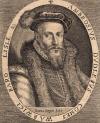
Robert Dudley, 1st Earl of Leicester (24 June 1532 – 4 September 1588) was an English statesman and the favourite of Elizabeth I from her accession until his death. He was a suitor for the queen's hand for many years.
Dudley's youth was overshadowed by the downfall of his family in 1553 after his father, the Duke of Northumberland, had failed to prevent the accession of Mary I. Robert Dudley was condemned to death but was released in 1554 and took part in the Battle of St. Quentin under Mary's husband and co-ruler, Philip, which led to his full rehabilitation, but also to the death of his older brother Henry. On Elizabeth I's accession in November 1558, Dudley was appointed Master of the Horse. In October 1562, he became a privy councillor and, in 1587, was appointed Lord Steward of the Royal Household. In 1564, Dudley became Earl of Leicester and, from 1563, one of the greatest landowners in North Wales and the English West Midlands by royal grants.
The Earl of Leicester was one of Elizabeth's leading statesmen, involved in domestic as well as foreign politics alongside William Cecil and Sir Francis Walsingham. Although he refused to be married to Mary, Queen of Scots, Leicester was for a long time relatively sympathetic to her until, from the mid-1580s, he urged her execution. As patron of the Puritan movement, he supported non-conforming preachers but tried to mediate between them and the bishops of the Church of England. A champion also of the international Protestant cause, he led the English campaign in support of the Dutch Revolt (1585–1587). His acceptance of the post of governor-general of the United Provinces infuriated Queen Elizabeth. The expedition was a military and political failure, and it ruined Leicester financially. Leicester was engaged in many large-scale business ventures and was one of the main backers of Francis Drake and other explorers and privateers. During the Spanish Armada, Leicester was in overall command of the English land forces. In this function, he invited Queen Elizabeth to visit her troops at Tilbury. This was the last of many events he had organised over the years, the most spectacular being the festival at his seat Kenilworth Castle in 1575 on the occasion of a three-week visit by the Queen. Leicester was a principal patron of the arts, literature, and the Elizabethan theatre.
Leicester's private life interfered with his court career and vice versa. When his first wife, Amy Robsart, fell down a flight of stairs and died in 1560, he was free to marry the queen. However, the resulting scandal very much reduced his chances in this respect. Popular rumours that he had arranged for his wife's death continued throughout his life, despite the coroner's jury's verdict of accident. For 18 years he did not remarry for Queen Elizabeth's sake and when he finally did, his new wife, Lettice Knollys, was permanently banished from court. This and the death of his only legitimate son and heir were heavy blows. Shortly after the child's death in 1584, a virulent libel known as Leicester's Commonwealth was circulated in England. It laid the foundation of a literary and historiographical tradition that often depicted Leicester as the Machiavellian "master courtier" and as a deplorable figure around Elizabeth I. More recent research has led to a reassessment of his place in Elizabethan government and society.
Přečtěte si více...