Kdo chodil s Gene Tierneyová?
John Fitzgerald Kennedy datováno Gene Tierneyová od ? do ?. Věkový rozdíl byl 3 roky, 5 měsíců a 21 dny.
Gene Tierneyová
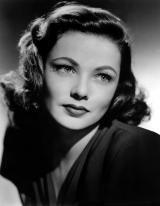
Gene Tierneyová, rodným jménem Gene Eliza Tierneyová, nepřechýleně Gene Tierney (19. listopadu 1920 New York – 6. listopadu 1991 Houston, Texas) byla americká filmová a divadelní herečka. Vrcholu své kariéry dosáhla v polovině 40. let, kdy obsazovala post jedné z hlavních hereček studia 20th Century Fox a řadila se k užší hollywoodské elitě. Mezi její nejslavnější filmy patří filmy noir Laura (1944) režírovaný Ottem Premingerem a Smrtelný hřích (1945) Johna M. Stahla. Dále se proslavila také filmy noir Tam, kde ulice končí (1950), Noc a město (1950) nebo komediemi Rings on Her Fingers (1942) a Láska není hřích (1943).
Gene Tierneyová vyrůstala v bohaté rodině v Connecticutu a vzdělání se jí dostalo mimo jiné na soukromé škole ve švýcarském Lausanne. Po návštěvě filmového studia Warner Bros. a náhodném shledání s režisérem Anatolem Litvakem se rozhodla, že se stane herečkou. Svou hereckou kariéru začínala v divadlech na Broadwayi, odkud se brzy přesunula do Hollywoodu. Během svého prvního angažmá u studia Columbia Pictures však nenatočila žádný film a byla donucena vrátit se zpět na divadelní prkna. Zanedlouho však narazila na producenta Darryla F. Zanucka, podepsala smlouvu se studiem 20th Century Fox a v roce 1941 zahájila svou filmovou kariéru, ve které se brzy dostala na vrchol. Ještě roce 1941 se vdala za módního návrháře Olega Cassiniho, se kterým se jí narodila postižená dcera Daria.
Narození těžce retardované dcery a rozvod milovaných rodičů ji uvedly do velké emoční krize, která zapříčinila její rozvod s Olegem Cassinim a o několik let později vyústila v bipolární afektivní poruchu, kvůli které musela na sedm let přerušit svou kariéru. Během sedmileté léčby absolvovala desítky terapií elektrickým šokem i dalšími drastickými způsoby. V roce 1958 se pokusila o sebevraždu skokem ze 14. patra. Po sedmi letech léčby se na pár let vrátila k herectví a poté svou hereckou kariéru ukončila. Tehdy se také podruhé vdala, za ropného magnáta W. Howarda Leeho a ze showbyznysu se téměř stáhla. Zemřela 6. listopadu 1991 ve věku 70 let.
Přečtěte si více...John Fitzgerald Kennedy
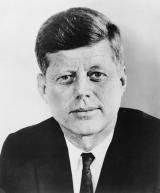
John Fitzgerald Kennedy (May 29, 1917 – November 22, 1963), also known as JFK, was the 35th president of the United States, serving from 1961 until his assassination in 1963. He was the youngest person elected president, at 43 years, and the first Catholic president. Kennedy served at the height of the Cold War, and the majority of his foreign policy concerned relations with the Soviet Union and Cuba. A member of the Democratic Party, Kennedy represented Massachusetts in both houses of the United States Congress before his presidency.
Born into the prominent Kennedy family in Brookline, Massachusetts, Kennedy graduated from Harvard University in 1940, joining the U.S. Naval Reserve the following year. During World War II, he commanded PT boats in the Pacific theater. Kennedy's survival following the sinking of PT-109 and his rescue of his fellow sailors made him a war hero and earned the Navy and Marine Corps Medal, but left him with serious injuries. After a brief stint in journalism, Kennedy represented a working-class Boston district in the U.S. House of Representatives from 1947 to 1953. He was subsequently elected to the U.S. Senate, serving as the junior senator from Massachusetts from 1953 to 1960. While in the Senate, Kennedy published his book Profiles in Courage, which won a Pulitzer Prize. Kennedy ran in the 1960 presidential election. His campaign gained momentum after the first televised presidential debates in American history, and he was elected president, narrowly defeating Republican opponent Richard Nixon, the incumbent vice president.
Kennedy's presidency saw high tensions with communist states in the Cold War. He increased the number of American military advisers in South Vietnam, and the Strategic Hamlet Program began during his presidency. In 1961, he authorized attempts to overthrow the Cuban government of Fidel Castro in the failed Bay of Pigs Invasion and Operation Mongoose. In October 1962, U.S. spy planes discovered Soviet missile bases had been deployed in Cuba. The resulting period of tensions, termed the Cuban Missile Crisis, nearly resulted in nuclear war. In August 1961, after East German troops erected the Berlin Wall, Kennedy sent an army convoy to reassure West Berliners of U.S. support, and delivered one of his most famous speeches in West Berlin in June 1963. In 1963, Kennedy signed the first nuclear weapons treaty. He presided over the establishment of the Peace Corps, Alliance for Progress with Latin America, and the continuation of the Apollo program with the goal of landing a man on the Moon before 1970. He supported the civil rights movement but was only somewhat successful in passing his New Frontier domestic policies.
On November 22, 1963, Kennedy was assassinated in Dallas. His vice president, Lyndon B. Johnson, assumed the presidency. Lee Harvey Oswald was arrested for the assassination, but he was shot and killed by Jack Ruby two days later. The Federal Bureau of Investigation (FBI) and the Warren Commission both concluded Oswald had acted alone, but conspiracy theories about the assassination persist. After Kennedy's death, Congress enacted many of his proposals, including the Civil Rights Act of 1964 and the Revenue Act of 1964. He ranks highly in polls of U.S. presidents with historians and the general public. His personal life has been the focus of considerable sustained interest following public revelations in the 1970s of his chronic health ailments and extramarital affairs. Kennedy is the most recent U.S. president to have died in office.
Přečtěte si více...